Behind the Scenes: Planning and Executing Large-Scale Demolitions Apr 18, 2026
The first stage of any large-scale demolition is comprehensive planning, a phase that sets the tone for the entire project. Before any physical work begins, detailed site surveys are conducted. These assessments provide crucial information about the structure, its materials, and the surrounding environment. Understanding the composition of a building is essential, as different materials require varied methods of removal and disposal. This is where the expertise of Regional Land Construction truly shines, as they bring years of experience and a keen eye for detail to every project.
Once the initial assessment is complete, the next crucial step is obtaining the necessary permits and ensuring compliance with local regulations. Demolition regulations can be stringent, focusing on safety and environmental standards. Regional Land Construction is adept at navigating these legal landscapes, ensuring that all necessary permissions are secured well in advance. They also prioritize transparency, working closely with clients to keep them informed every step of the way, providing peace of mind and a seamless project experience.
Safety is a top priority in the demolition industry, and Regional Land Construction is no exception. Before embarking on the physical teardown, a comprehensive safety plan is established. This includes identifying potential hazards, planning for dust and debris management, and ensuring personal protective equipment (PPE) is in use. Additionally, the company conducts thorough site checks to identify and mitigate any risks, ensuring the safety of both their crew and the public.
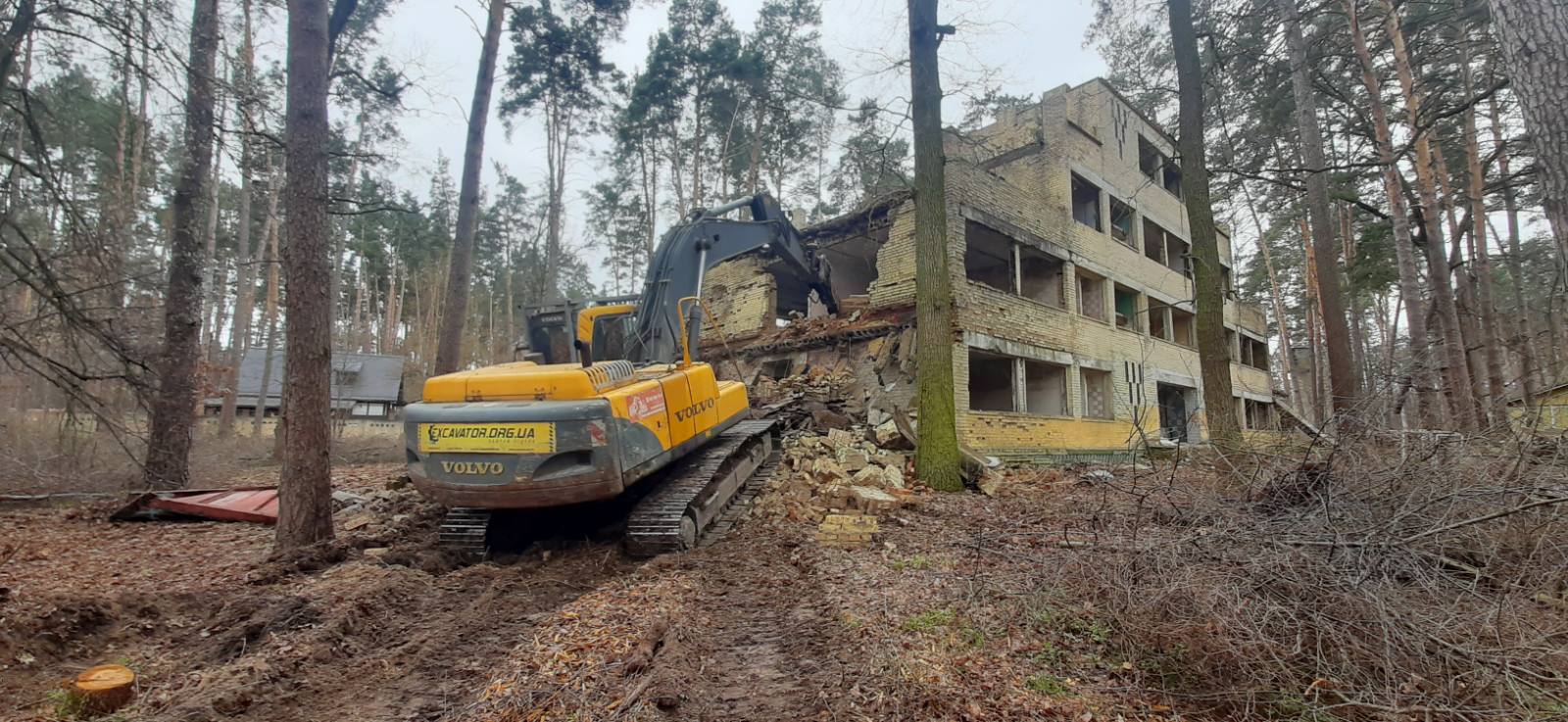
The execution phase is where the demolition truly comes to life. For large-scale demolitions, the methods can vary significantly based on the structure and its surroundings. Common approaches include implosion, traditional mechanical demolition, and selective dismantling. Implosion, using explosives to bring a building down within its footprint, is less common but spectacular. Mechanical demolition, using cranes and excavators, is more typical for urban settings. Each method requires a skilled hand and precise timing to ensure successful execution without collateral damage. This is why choosing a skilled service provider like Regional Land Construction is vital for the success of such projects.
As the building comes down, waste management becomes a priority. Demolition generates vast amounts of debris, which must be sorted and disposed of responsibly. Regional Land Construction emphasizes sustainable practices, recycling materials whenever possible. This commitment not only minimizes landfill impact but also adheres to environmental regulations, demonstrating the company's dedication to eco-friendly practices.
Finally, the project concludes with site clearance and grading. Removing debris and preparing the site for future development is a critical part of the process. This involves cleaning up the area, stabilizing the ground, and ensuring the site is safe and ready for its new purpose.
The process of planning and executing large-scale demolitions is a complex dance of strategic planning and skilled execution. For companies like Regional Land Construction, it is an art form that combines compliance with creativity. Their expertise ensures projects are not only successful but also safe, efficient, and environmentally responsible. Whether it's clearing the way for new construction or transforming a city skyline, Regional Land Construction brings professionalism and precision to every demolition project.
/filters:no_upscale()/filters:format(webp)/media/b31d9f54-c3cf-4684-8e58-390b73d770a4.jpeg)
/filters:no_upscale()/filters:format(webp)/media/ef7e2c8a-7a46-466c-bac3-405b3ed5639c.jpeg)