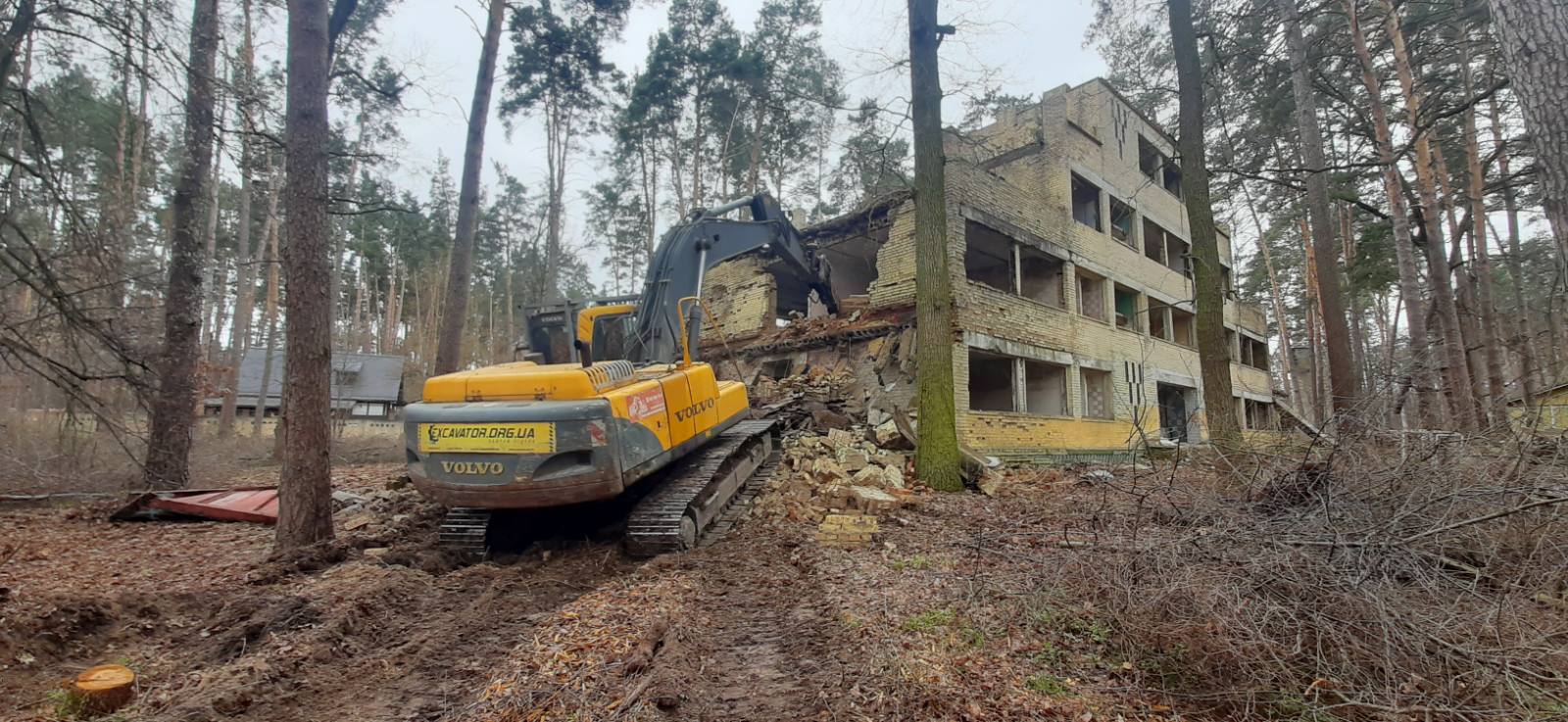
Demolition Dynamics: Balancing Urban Growth with Sustainable Practices Apr 02, 2026
Demolition may conjure images of crumbling buildings and piles of debris, but modern practices emphasize precision, efficiency, and sustainability. At Regional Land Construction, we understand the significant impact demolition has on urban environments, and we embrace technologies and methodologies that minimize environmental footprints.
One of the critical components of sustainable demolition is the practice of deconstruction over traditional demolition. Instead of merely tearing down structures, deconstruction involves dismantling them in a methodical manner to salvage materials for reuse. This approach not only reduces waste but also conserves resources by reclaiming materials such as wood, bricks, and metals, which can be repurposed in new construction projects. By implementing deconstruction techniques, Regional Land Construction helps divert substantial amounts of material from landfills, contributing to a circular economy.
Moreover, modern demolition is not solely about removing old structures but also includes site remediation and rehabilitation. Ensuring a contaminated site is clean and safe for future use is a vital part of the process. Our expert teams are well-equipped to handle hazardous materials such as asbestos or lead, following stringent environmental regulations to protect both the environment and surrounding communities. These measures are integral to preparing urban landscapes for new developments that enhance quality of life and preserve ecological balance.
In addition to these practices, Regional Land Construction integrates advanced technology to enhance efficiency and precision in demolition projects. The use of hydraulic excavators, high-reach excavators, and robotic machines allows for more accurate and controlled demolition work, reducing noise pollution and emissions compared to outdated, impactful methods. By leveraging technology, projects are completed faster with minimal disruption to neighboring areas, supporting continuous urban development without compromising community well-being.
Another sustainable practice that Regional Land Construction champions is recycling the debris generated during demolition. Concrete is crushed and repurposed as aggregate for road construction, and metals are sorted and melted down for new manufacturing, exemplifying our commitment to reducing, reusing, and recycling. These initiatives not only align with our environmental goals but also contribute to cost savings for future construction projects.
As we look to the future of urban development, it is essential to increase awareness of these sustainable practices and the role they play in shaping greener cities. Regional Land Construction is dedicated to providing education to stakeholders and communities, promoting a collaborative approach to urban evolution that considers ecological implications and long-term sustainability.
In conclusion, the synergy between urban growth and sustainable demolition is not just an ideal; it is a necessary evolution in the demolition industry. By adopting cutting-edge technologies and prioritizing resource conservation, Regional Land Construction leads the way in creating a harmonious balance between progress and preservation. Our commitment to excellence in demolition not only fulfills immediate construction needs but also ensures a sustainable future for generations to come. Together, let us redefine the dynamics of demolition and urban growth with informed, responsible practices.
/filters:no_upscale()/filters:format(webp)/media/b31d9f54-c3cf-4684-8e58-390b73d770a4.jpeg)
/filters:no_upscale()/filters:format(webp)/media/ef7e2c8a-7a46-466c-bac3-405b3ed5639c.jpeg)