Demolition Fundamentals: Understanding the Steps from Planning to Execution Jul 08, 2026
The journey begins with meticulous planning and site assessment. Before any physical demolition work can commence, it's vital to evaluate the project site thoroughly. This involves understanding the structural integrity of the building to be demolished, assessing any potential hazards, and identifying valuable resources that can be recycled. Additionally, obtaining the necessary permits and adhering to local regulations are crucial steps in avoiding legal hurdles down the road.
Once the planning phase is complete, the focus shifts to the development of a comprehensive demolition strategy. This strategy should address the specific methods of demolition suitable for the structure in question. From implosion to high-reach arm demolition, selecting the right technique is essential for efficiency and safety. Collaborating with experienced demolition contractors like Regional Land Construction can help ensure that the chosen method is cost-effective and environmentally friendly.
Safety is a paramount concern in any demolition project. Therefore, every strategy should include a detailed safety plan that covers the potential risks associated with demolition activities. Personal protective equipment (PPE) for workers, proper training, and emergency response plans are vital components. Moreover, communicating clear guidelines to all crew members helps maintain a safe work environment, reducing the likelihood of accidents.
One cannot underestimate the importance of environmental considerations during demolition. Responsible contractors aim to minimize the ecological footprint of their projects. This involves salvaging materials such as metals, bricks, and fixtures for reuse or recycling. Not only does this practice reduce waste, but it also contributes to more sustainable construction practices.
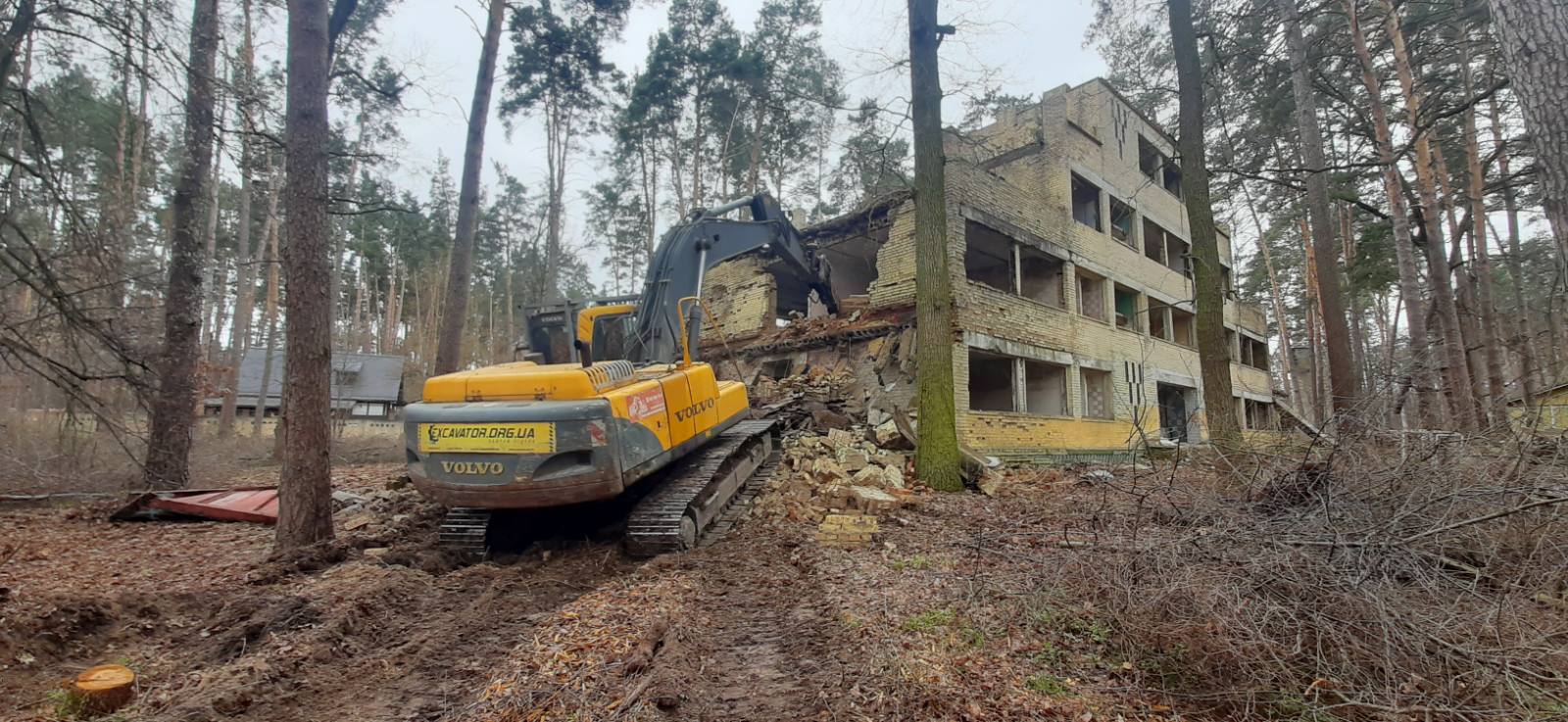
After strategizing, the demolition day arrives, and execution begins. At this stage, it becomes crucial to manage the demolition process closely. This involves monitoring progress, maintaining safety standards, and ensuring efficient waste removal. Effective communication among team members and adherence to the project timeline play crucial roles in avoiding delays and additional costs.
Concluding a demolition project involves thorough site cleanup and documentation. The site must be cleared of debris to create a safe environment for subsequent construction activities. Proper documentation, including photographs and reports, serves as a useful record of the completed demolition, which can be valuable for future reference and accountability.
Choosing a reputable contractor like Regional Land Construction can simplify this complex process, ensuring each phase is handled with expertise. From careful planning to precise execution, their experience ensures that your demolition project isn't just another task but a stepping stone to a successful construction venture.
In summary, understanding the nuances of demolition, from initial planning through execution, is paramount for any successful construction project. By prioritizing safety, environment-friendly practices, and efficient execution, stakeholders can ensure that their demolition project is smooth, timely, and sustainable. Partnering with seasoned professionals provides peace of mind and assures quality outcomes, laying a strong foundation for whatever the future holds on that newly cleared site.
/filters:no_upscale()/filters:format(webp)/media/b31d9f54-c3cf-4684-8e58-390b73d770a4.jpeg)
/filters:no_upscale()/filters:format(webp)/media/ef7e2c8a-7a46-466c-bac3-405b3ed5639c.jpeg)