Exploring the Synergy Between Demolition and Resource Recovery Jun 30, 2026
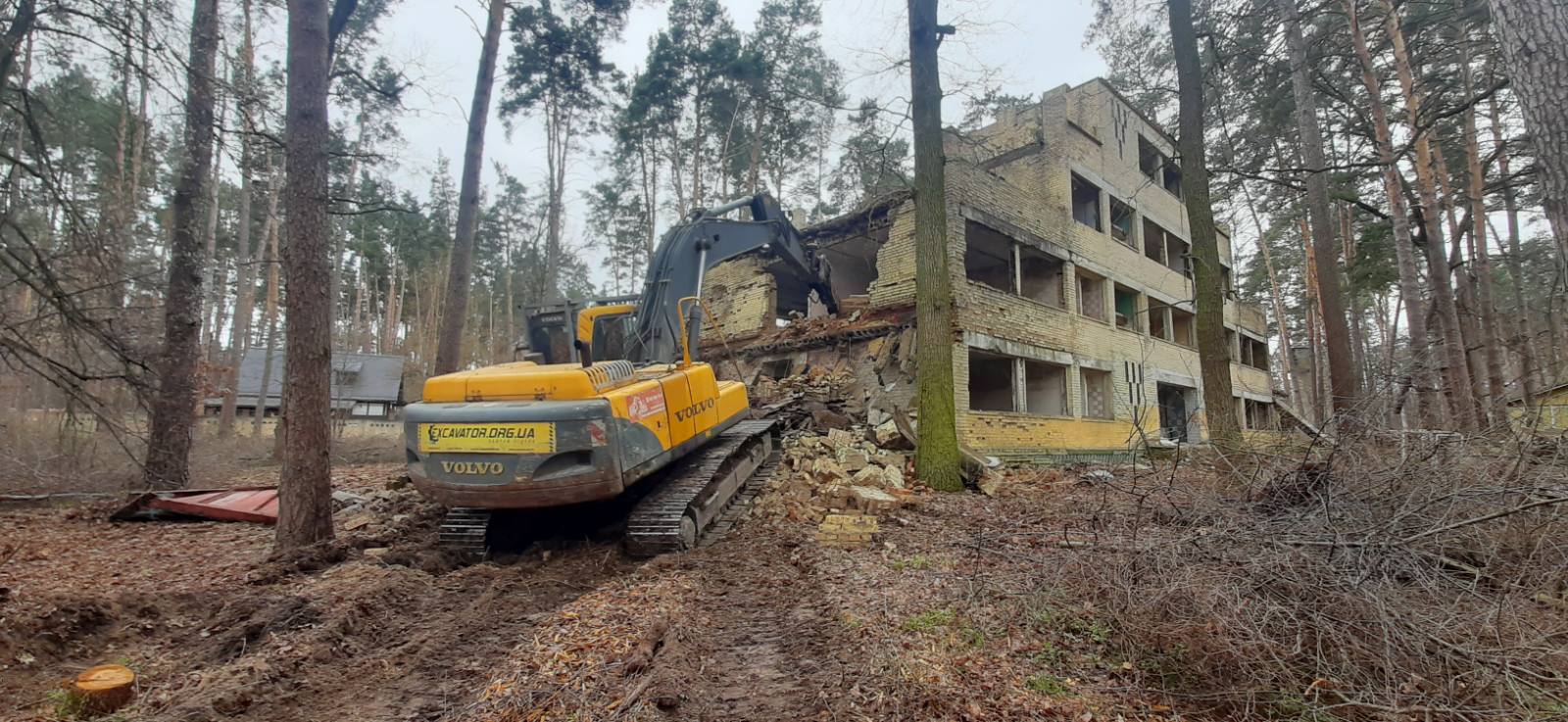
Traditionally, demolition projects involve the straightforward dismantling of structures, often resulting in substantial waste dumped into landfills. However, emerging practices in the industry, supported by technological advancements and a deeper environmental conscience, emphasize resource recovery—salvaging materials for reuse or recycling, significantly reducing waste. Regional Land Construction is committed to adopting these innovative approaches, thus establishing a sustainable practice that aligns with modern ecological responsibilities.
The process of integrating resource recovery into demolition begins with a comprehensive site assessment. Prior to any demolition work, the team at Regional Land Construction conducts a detailed survey to identify materials that can be recovered. Typical resources include metals, concrete, wood, and even complex systems like electrical and HVAC units. By recognizing these salvageable components early, the planning phase can incorporate strategies for efficient material recovery and separation.
Moreover, meticulous planning is crucial for ensuring effective resource recovery. Coordinating the dismantling process to allow for segregation of different materials enhances the potential for each item’s reuse. Specialized equipment and trained personnel are employed to carefully deconstruct areas that house reusable resources, thus minimizing damage and preserving their integrity. This strategic approach not only maximizes material salvage but also significantly reduces the carbon footprint of demolition projects.
Benefits of resource recovery extend beyond environmental impact. Financially, it offers significant cost savings. Salvaging and recycling materials reduce the expenses associated with waste disposal. Recovered items can often be sold or reused in new projects, further offsetting costs. Regional Land Construction leverages these advantages, enabling their clients to capitalize on resource recovery as an integral part of their project’s cost-efficiency strategy.
Public perception and regulatory frameworks are embracing this sustainable trend. Today's clients are more eco-conscious, and regulatory bodies are stringent about environmental compliance. Adopting resource recovery practices helps Regional Land Construction meet these evolving demands, ensuring compliance with regulations and enhancing their brand reputation as a leader in sustainable demolition practices.
Education and awareness also play significant roles in promoting the synergy between demolition and resource recovery. By informing potential clients about the benefits of these practices, Regional Land Construction fosters a culture of sustainability within the broader community. Workshops, seminars, and collaborative projects make stakeholders more aware of the possibilities and advantages of integrating resource recovery in construction projects.
In conclusion, the future of demolition is not just about tearing down structures but also about building sustainable pathways for the future. As Regional Land Construction exemplifies, blending demolition with resource recovery is not merely a trend but a blueprint for the future of the construction industry. Embracing this synergy benefits the environment, offers substantial cost savings, and meets both regulatory and public expectations. With such critical developments underway, the demolition industry is set on a trajectory towards sustainability, with resource recovery as a guiding light.
/filters:no_upscale()/filters:format(webp)/media/b31d9f54-c3cf-4684-8e58-390b73d770a4.jpeg)
/filters:no_upscale()/filters:format(webp)/media/ef7e2c8a-7a46-466c-bac3-405b3ed5639c.jpeg)