How to Minimize Environmental Impact in Demolition Projects Dec 20, 2025
The first step in minimizing environmental impact is conducting a thorough site assessment. This involves identifying hazardous materials like asbestos, lead, or other toxic substances that might be present within the structure. By knowing what you're dealing with upfront, steps can be taken to safely remove these materials without releasing harmful particles into the air or soil.
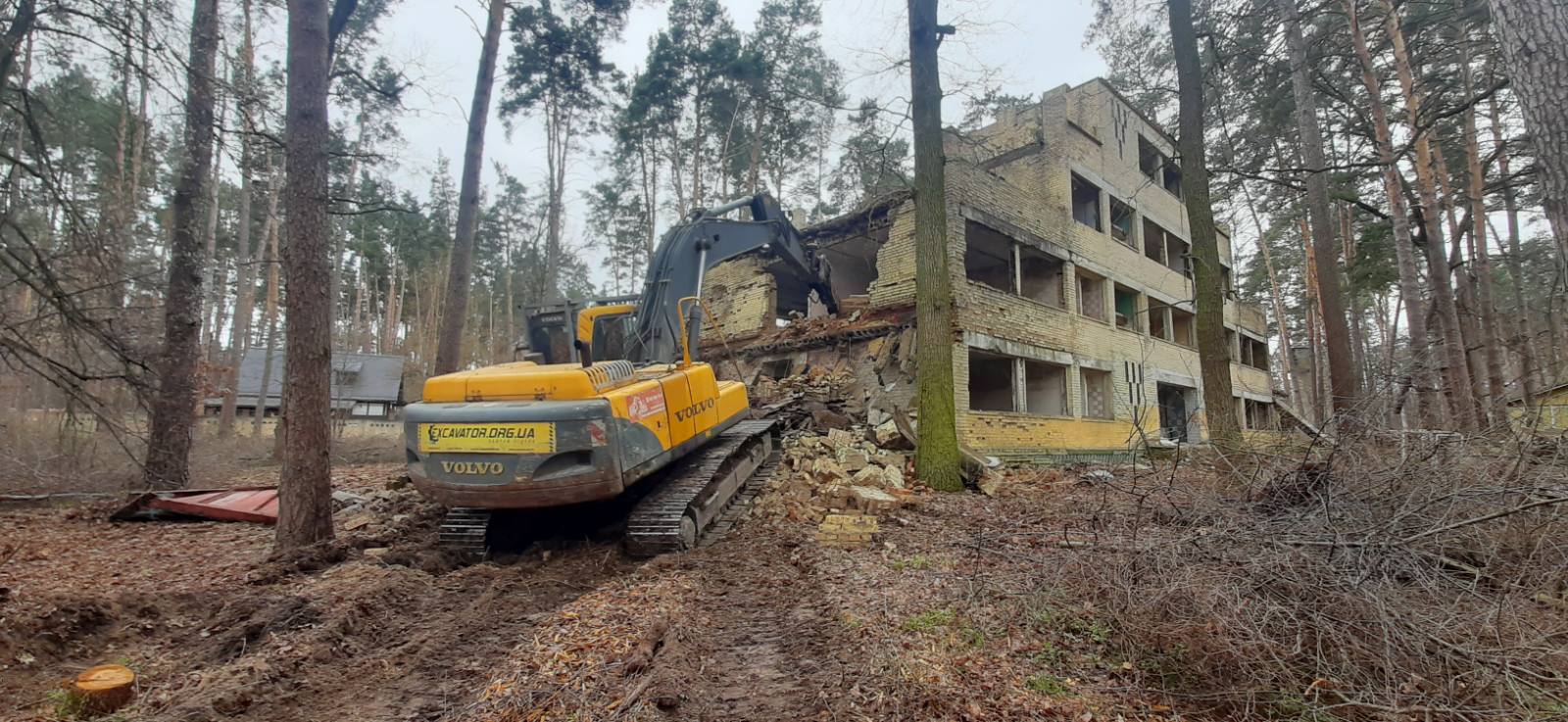
Selective demolition is another key strategy. Instead of tearing down a structure wholesale, focus on removing only the necessary parts. This approach not only reduces waste sent to landfills but also allows for materials like steel, wood, and brick to be salvaged and reused. Selective demolition also often results in cost savings, as recyclable materials can sometimes be sold or reused in new projects, reducing the cost of purchasing new materials.
Recycling plays an integral role in reducing the environmental impact of demolition projects. Regional Land Construction commits to recycling as many materials as possible. Concrete, metals, and wood can often be processed and reused, contributing to a circular economy. Working with recycling facilities makes it easier to separate recyclable materials from waste, ensuring that the maximum amount is diverted from landfills.
Dust control is another crucial element in eco-friendly demolition. Dust and other particulates released during demolition can be harmful to both the environment and human health. Utilizing water sprays to dampen dust at its source can significantly reduce airborne particles. Moreover, using barriers and curtains can contain dust within a small area, preventing it from spreading to neighboring properties.
Minimizing emissions is vital in reducing carbon footprints during demolition. Utilizing energy-efficient machinery and limiting idle times can significantly reduce fuel consumption. Regular maintenance of equipment ensures that machinery runs efficiently, reducing the emissions produced. Additionally, the adoption of electric or hybrid machinery wherever possible can further decrease greenhouse gas emissions.
Post-demolition, restoring the site to a clean and stable condition is essential. This means not only removing all waste and debris but also stabilizing the soil to prevent erosion and planting vegetation that can restore the site's natural state. These steps help ensure that the area remains safe and minimizes long-term environmental impacts.
Lastly, engaging with local communities and regulatory bodies ensures compliance with environmental regulations and standards. Transparent communication with stakeholders builds trust and ensures that any concerns about environmental impact are addressed promptly. Regional Land Construction prioritizes such engagements to maintain its commitment to sustainable practices.
In conclusion, while demolition inevitably impacts the environment, the strategies outlined above can significantly minimize that impact. Through careful planning, efficient waste management, and community engagement, companies like Regional Land Construction can lead the way in eco-friendly demolition practices. As more contractors adopt these practices, the industry can move towards a more sustainable future, ensuring that the built environment is developed and renewed with minimal harm to our planet.
/filters:no_upscale()/filters:format(webp)/media/b31d9f54-c3cf-4684-8e58-390b73d770a4.jpeg)
/filters:no_upscale()/filters:format(webp)/media/ef7e2c8a-7a46-466c-bac3-405b3ed5639c.jpeg)