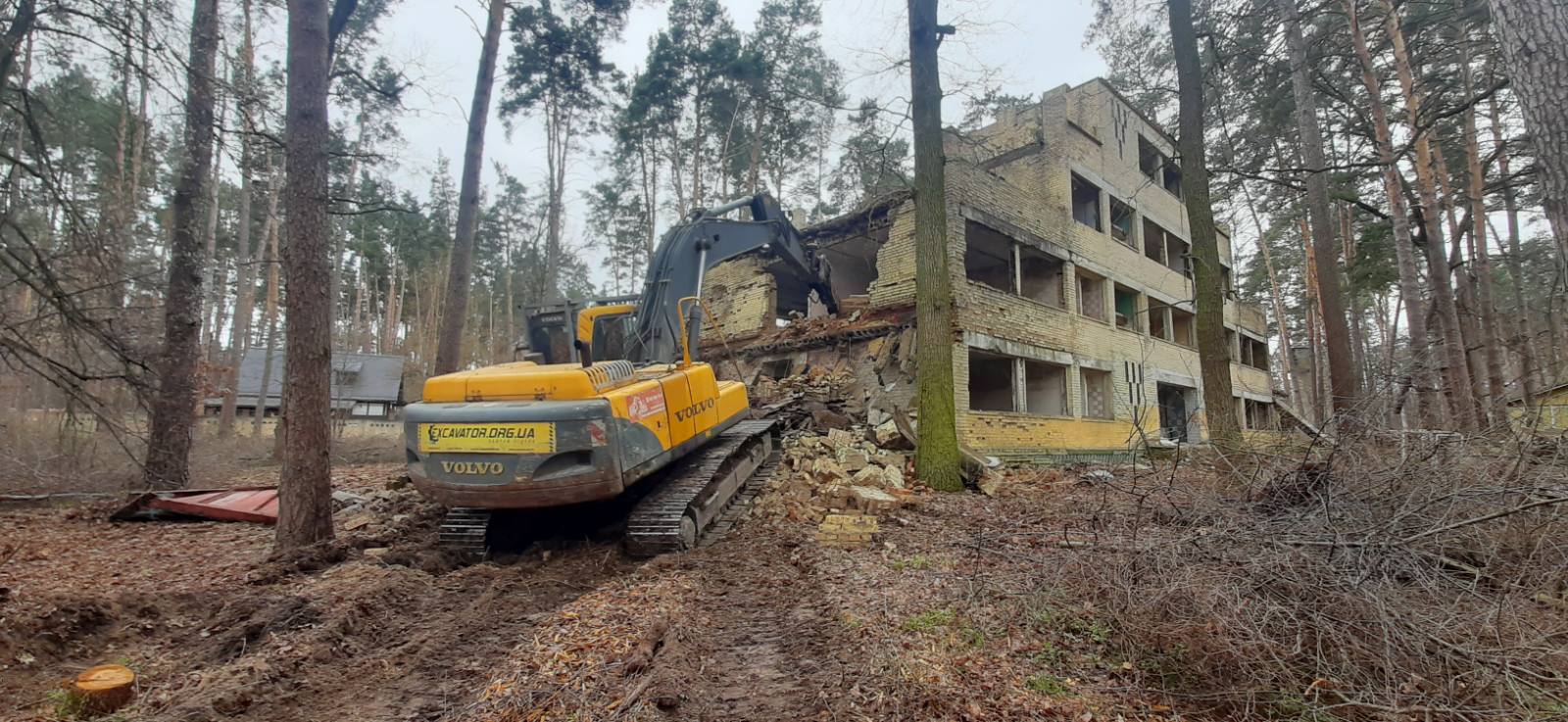
Navigating Regulatory Landscapes: Ensuring Compliance in Demolition Projects May 31, 2026
Navigating these regulations can often feel like preparing for a journey through a densely regulated maze. The key to success lies in meticulously understanding the rules that govern the demolition industry. Whether you're clearing land for new construction or conducting selective demolition on a historic site, knowing these regulations safeguards both the environment and the community.
One of the primary considerations in any demolition project is environmental protection. Regulations demand that companies carefully evaluate the possibility of hazardous materials, such as asbestos, lead, and other harmful substances found in older buildings. Proper identification and handling of these materials are not just regulatory requirements, but also crucial for public health and safety. Skipping these steps can lead to severe legal repercussions and put the community and workers at risk. Regional Land Construction emphasizes the importance of conducting thorough surveys and assessments before any demolition work begins.
In addition to materials handling, demolition projects must also comply with waste management regulations. This involves creating a detailed waste management plan that outlines how to dispose of or recycle materials responsibly. Permits are typically required for waste transportation and disposal, varying by jurisdiction. Staying informed about these requirements helps prevent costly fines and ensures that waste management strategies are healthy for both the local environment and the community.
Air quality is another critical regulatory focus. Dust and emissions from demolition can severely affect local air quality. This is why many regions have stringent controls on dust suppression and emissions during demolition activities. Utilizing water sprays, dust barriers, and other dust control measures not only ensures compliance but also protects the health of both workers and nearby residents. Regional Land Construction takes pride in adopting advanced dust suppression techniques to adhere to air quality regulations.
Furthermore, noise regulations cannot be overlooked. Demolition can contribute to significant noise pollution, particularly in urban areas. Regulations often dictate permissible noise levels and may require noise reduction strategies during operations. By using sound barriers and planning demolition activities during less sensitive hours, companies like Regional Land Construction maintain compliance with these community-focused regulations.
The nuances of regulatory compliance might seem overwhelming, but for contractors like Regional Land Construction, knowledge and preparation turn these challenges into navigable paths. Regular training and consultation with legal and environmental experts ensure that the demolition processes not only meet but exceed regulatory standards.
In conclusion, ensuring compliance in demolition projects through comprehensive planning and adherence to regulations is not just about meeting legal mandates. It is about committing to safety, respecting the community, and protecting our environment. For Regional Land Construction and similar companies, the path to successful demolitions is paved with diligence, knowledge, and a steadfast commitment to regulatory compliance. As a client or stakeholder, aligning with a contractor that prioritizes these values ensures that your project will be conducted with the highest standards of safety and efficiency.
/filters:no_upscale()/filters:format(webp)/media/b31d9f54-c3cf-4684-8e58-390b73d770a4.jpeg)
/filters:no_upscale()/filters:format(webp)/media/ef7e2c8a-7a46-466c-bac3-405b3ed5639c.jpeg)