Redefining Skylines: The Art and Science of Controlled Demolition Dec 13, 2025
Controlled demolition is more than just imploding buildings or clearing lots; it is a meticulously orchestrated process that combines engineering prowess with innovative techniques. The primary goal is to bring down structures efficiently and safely, minimizing risk to surrounding buildings and the environment. Controlled demolition plays a crucial role in urban redevelopment where space is a premium and precision is paramount.
At the core of successful demolition projects is rigorous planning. Regional Land Construction initiates the process with a comprehensive assessment of the structure’s materials, design, and location. This assessment informs the strategy, ensuring that every potential hazard is identified and mitigated. Understanding how a structure was built helps in determining the safest way to dismantle it, whether through implosion, selective demolition, or high-reach arm techniques.
Implosion, often the most dramatic form of controlled demolition, is a science in itself. It involves using strategically placed explosives to collapse a building in on itself. This approach requires not only precision engineering but also a deep understanding of building physics. By carefully calculating the placement of explosives, demolition experts ensure that the structure falls inwards, minimizing debris and protecting nearby structures.
Selective demolition, on the other hand, is a more refined approach that is particularly useful in densely populated urban areas or when certain parts of a building need preservation. It involves dismantling parts of the building piece by piece, allowing for the reuse or recycling of materials. This method not only reduces waste but also provides an environmentally friendly solution to modern demolition challenges.
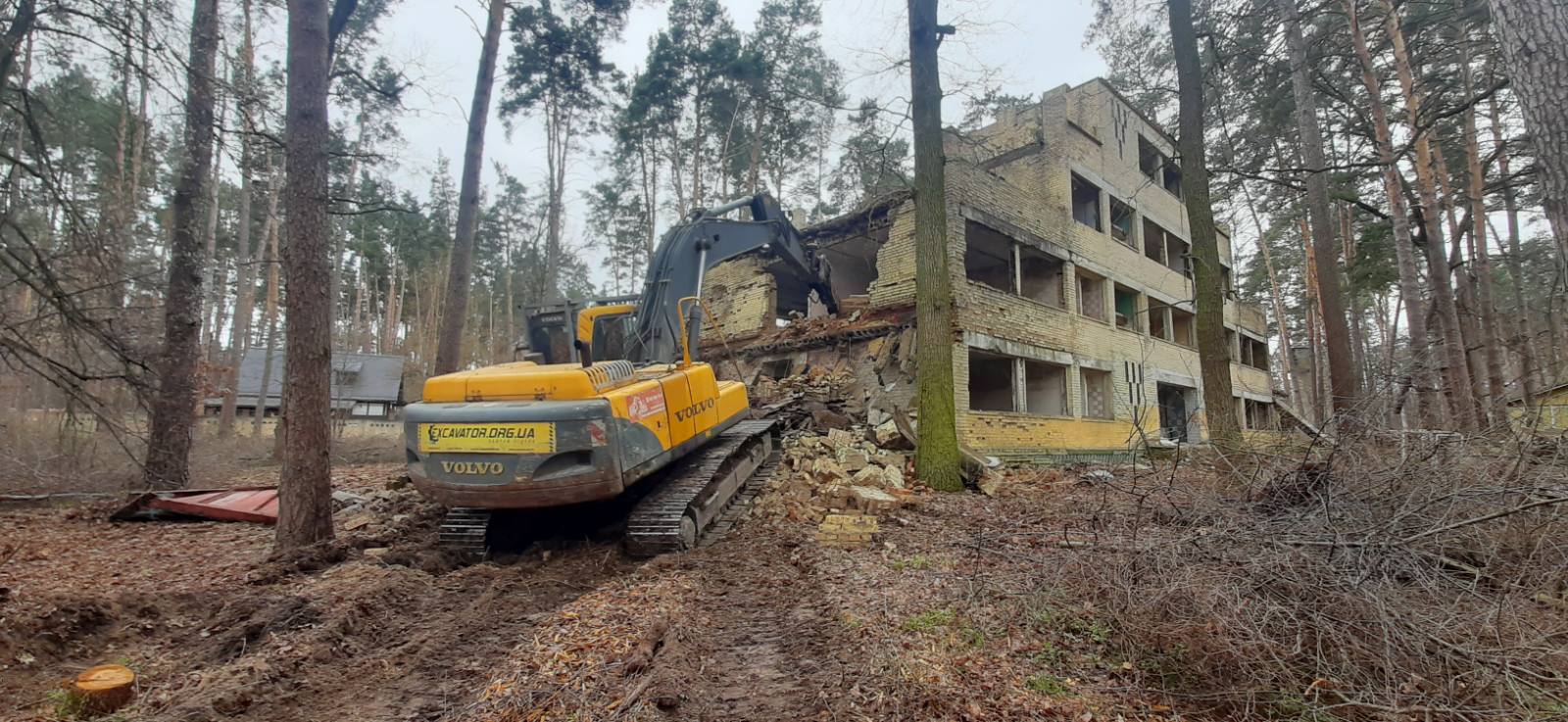
High-reach arm techniques are employed for taller structures where implosion might pose too great a risk. These machines, equipped with specialized attachments, can reach significant heights to safely dismantle a building from the top down. This method allows for precise control over the demolition process, crucial in minimizing dust and debris spread.
A key aspect of controlled demolition is its emphasis on safety and environmental stewardship. Regional Land Construction prioritizes the safety of its team and the community. This focus on safety is matched with a commitment to sustainability, including strategies to recycle materials and reduce emissions. By investing in state-of-the-art equipment and adhering to stringent safety protocols, projects are executed with minimal impact on the local environment.
The art and science of controlled demolition are continuously evolving, driven by advancements in technology and increasing urban complexities. Through innovation and meticulous planning, companies like Regional Land Construction are leading the charge to redefine city skylines responsibly. Every project underscores a commitment to safety, sustainability, and engineering excellence.
As urban areas continue to grow and change, controlled demolition will remain a pivotal part of this development process. By expertly balancing art and science, Regional Land Construction not only transforms physical spaces but also opens new horizons for community rejuvenation and urban progress. In this ever-evolving field, one thing remains certain: the future skyline owes its shape to the precise and transformative work of controlled demolition experts.
/filters:no_upscale()/filters:format(webp)/media/b31d9f54-c3cf-4684-8e58-390b73d770a4.jpeg)
/filters:no_upscale()/filters:format(webp)/media/ef7e2c8a-7a46-466c-bac3-405b3ed5639c.jpeg)