Sustainable Practices in Demolition for a Greener Tomorrow Apr 30, 2026
Demolition projects have traditionally been associated with dust, noise, and tremendous waste. However, sustainable demolition practices are changing the narrative. Regional Land Construction recognizes the importance of this evolution, focusing on reducing environmental impact through meticulous planning and execution. The key lies in the careful separation of materials that can be reused, recycled, or repurposed.
The initial step in sustainable demolition involves thorough site analysis and planning. Before any deconstruction begins, teams assess the building to identify hazardous materials, valuable resources, and potential recycling streams. This preliminary evaluation plays a vital role in optimizing resource recovery. By identifying materials that can be salvaged, such as timber, bricks, and metals, Regional Land Construction ensures these components receive a second life rather than adding to landfill burden.
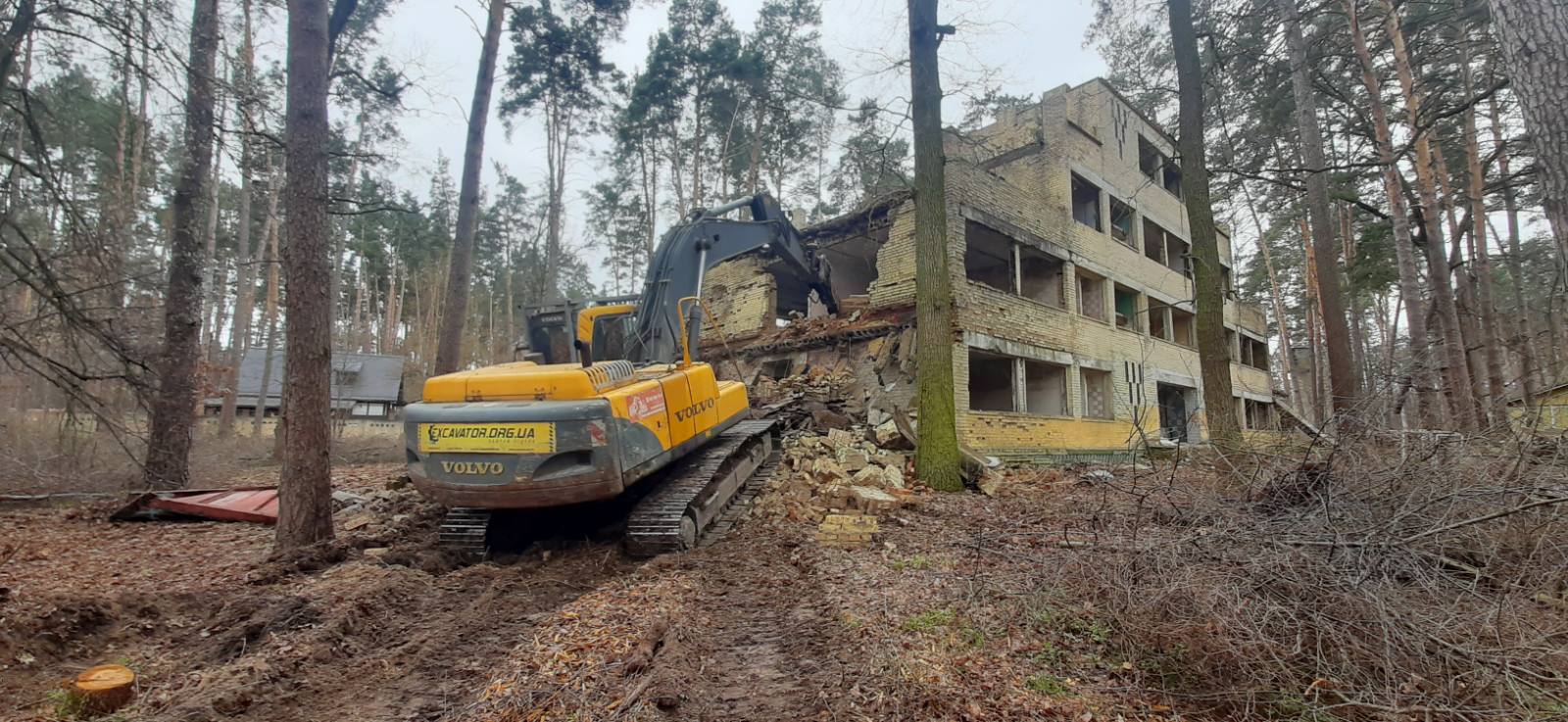
At the heart of sustainable demolition is the practice of selective dismantling, also known as deconstruction. Rather than the conventional approach of knocking down structures with heavy machinery, selective dismantling involves manually deconstructing components to preserve valuable materials. This method reduces the damage to reusable material and provides a more controlled separation, facilitating recycling and reducing waste.
Waste management is another critical element in sustainable demolition. Regional Land Construction partners with local recycling facilities to sort and process various debris. By segregating waste on-site into categories—such as concrete, metals, wood, and plastics—the company maximizes the recycling potential of the materials. Concrete can be crushed and repurposed, metals can be melted down and reused, and even wood can find new applications.
Emphasizing sustainability, Regional Land Construction also adopts innovative technologies that enhance green practices. Machines that minimize fuel consumption, noise pollution, and dust emissions are increasingly used during demolitions. For instance, water spray methods during implosions drastically reduce dust levels, protecting both the environment and public health.
Beyond the environmental benefits, sustainable demolition offers economic advantages. By efficiently recovering recyclable materials, there’s a reduction in disposal costs and the potential for material resale. This not only saves money but also reduces the overall cost businesses have to allocate towards construction materials—making sustainability an economically viable option.
Education and training are indispensable in promoting sustainable practices. Regional Land Construction invests in ongoing employee training programs, ensuring that the workforce is well-versed with the latest eco-friendly techniques. Knowledge of current regulations and recycling procedures equips teams to proceed with demolitions without unnecessary environmental penalties, demonstrating compliance and responsibility.
Regional Land Construction pioneers an approach to demolition that is both environmentally and economically responsible. A commitment to sustainable practices is not just an operational mandate but a promise to contribute to a greener tomorrow. Through meticulous planning, selective dismantling, efficient waste management, and absorbing innovative technology, the company leads the charge towards environmentally-conscious industry standards.
The choice to prioritize sustainability in demolition not only safeguards the planet for future generations but also builds the foundation for a more responsive and responsible construction industry. As Regional Land Construction continues to innovate and implement effective sustainable methods, it sets a benchmark, inspiring others in the industry to join in the mission for a sustainable future.
/filters:no_upscale()/filters:format(webp)/media/b31d9f54-c3cf-4684-8e58-390b73d770a4.jpeg)
/filters:no_upscale()/filters:format(webp)/media/ef7e2c8a-7a46-466c-bac3-405b3ed5639c.jpeg)