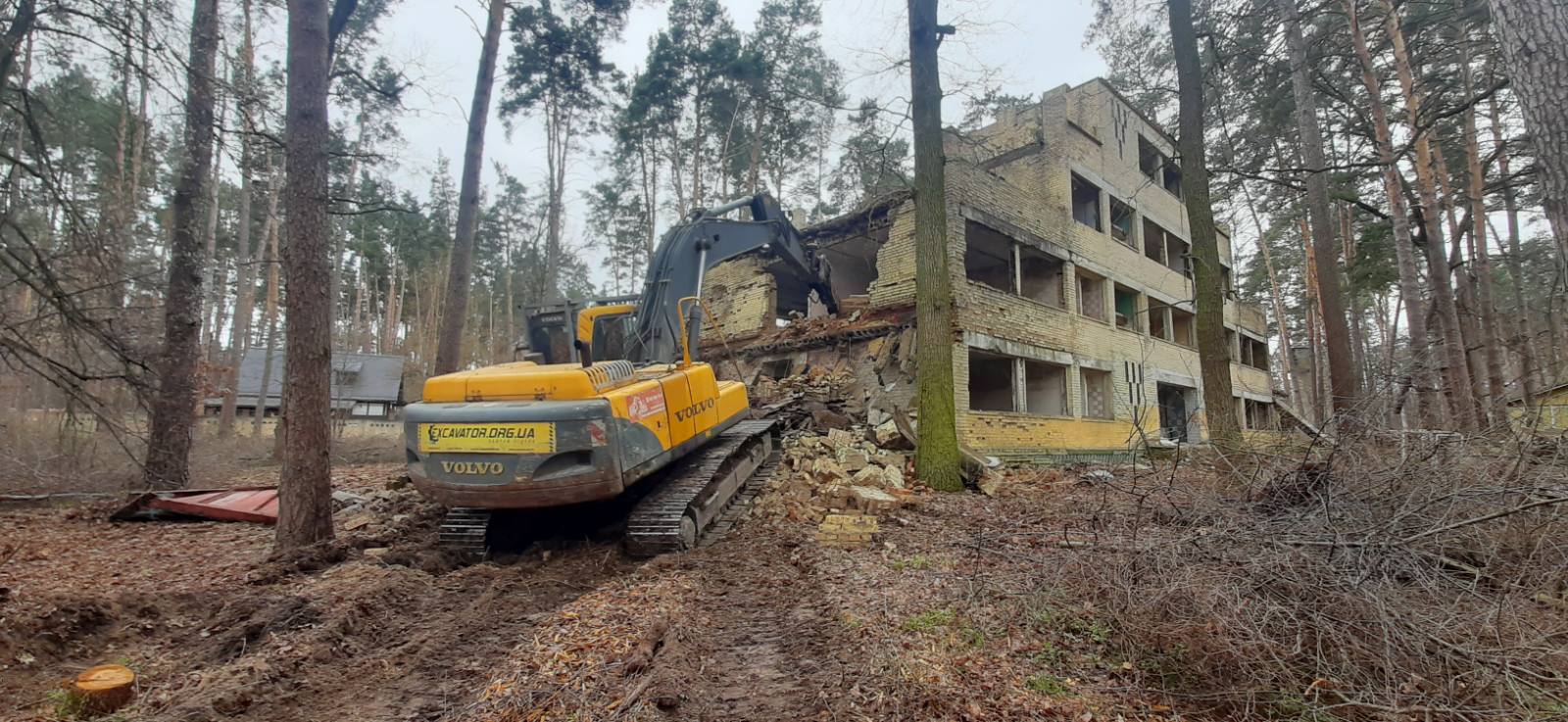
The Evolution of Demolition Techniques: Meeting Today's Urban Challenges Jul 05, 2026
The history of demolition can be traced back to rudimentary methods that relied heavily on manual labor and simple tools. However, as cities expanded and buildings grew taller and more complex, the demand for more sophisticated techniques arose. Today, the demolition industry embraces technological advancements that not only improve safety and efficiency but also minimize the environmental impact.
Modern demolition techniques have come a long way from the days of wrecking balls and dynamite. Among the most revolutionary advancements is the use of controlled demolition. This technique involves the strategic placement of explosives to bring down structures in a predictable and precise manner, minimizing damage to surrounding structures. Controlled demolition is not only quick but also allows for significant cost savings in terms of time and labor.
Another innovative method is selective demolition, sometimes referred to as deconstruction, which focuses on salvaging materials for reuse or recycling. This approach is particularly relevant in today’s sustainability-driven world, where reducing waste and repurposing materials can significantly lessen the environmental footprint of construction activities. Regional Land Construction prides itself on employing selective demolition strategies that are both eco-friendly and cost-effective, offering substantial benefits in urban environments where space and resources are at a premium.
In addition, remote-controlled demolition machines have emerged as a game-changer in the industry. These highly advanced machines allow operators to dismantle structures from a safe distance, thereby minimizing risks associated with hazardous environments. These machines are equipped with robotic arms and are particularly advantageous in dealing with complex structures, tight spaces, and fragile environments. Such technology not only enhances safety but also boosts efficiency, as machines can operate continuously and with precision.
The advancement of technology in the demolition sector also includes the adoption of Building Information Modeling (BIM). This digital representation of physical and functional characteristics of a facility involves using 3D models to plan and execute demolition projects. BIM allows for better planning, visualization, and management of resources, making it easier to anticipate challenges and develop effective, tailored solutions.
As cities grow and the need for redeveloped urban spaces increases, environmental considerations also play a pivotal role in shaping demolition techniques. The emphasis on reducing carbon emissions and preserving the natural environment pushes companies like Regional Land Construction to continually innovate and refine their methods. By embracing these modern techniques, we ensure our projects comply with the highest environmental standards, thereby securing a sustainable future.
In conclusion, the evolution of demolition techniques is integral to meeting the challenges of today's urban environments. Regional Land Construction remains committed to pioneering these advances, ensuring our projects are safe, efficient, and environmentally responsible. As the urban landscape continues to change, so too will the methods by which we shape it—consistently improving to create thriving, sustainable cities for generations to come. Whether you're preparing for a major commercial project or a smaller residential one, understanding and choosing the right demolition techniques can lead to safer, more sustainable, and cost-effective outcomes.
/filters:no_upscale()/filters:format(webp)/media/b31d9f54-c3cf-4684-8e58-390b73d770a4.jpeg)
/filters:no_upscale()/filters:format(webp)/media/ef7e2c8a-7a46-466c-bac3-405b3ed5639c.jpeg)