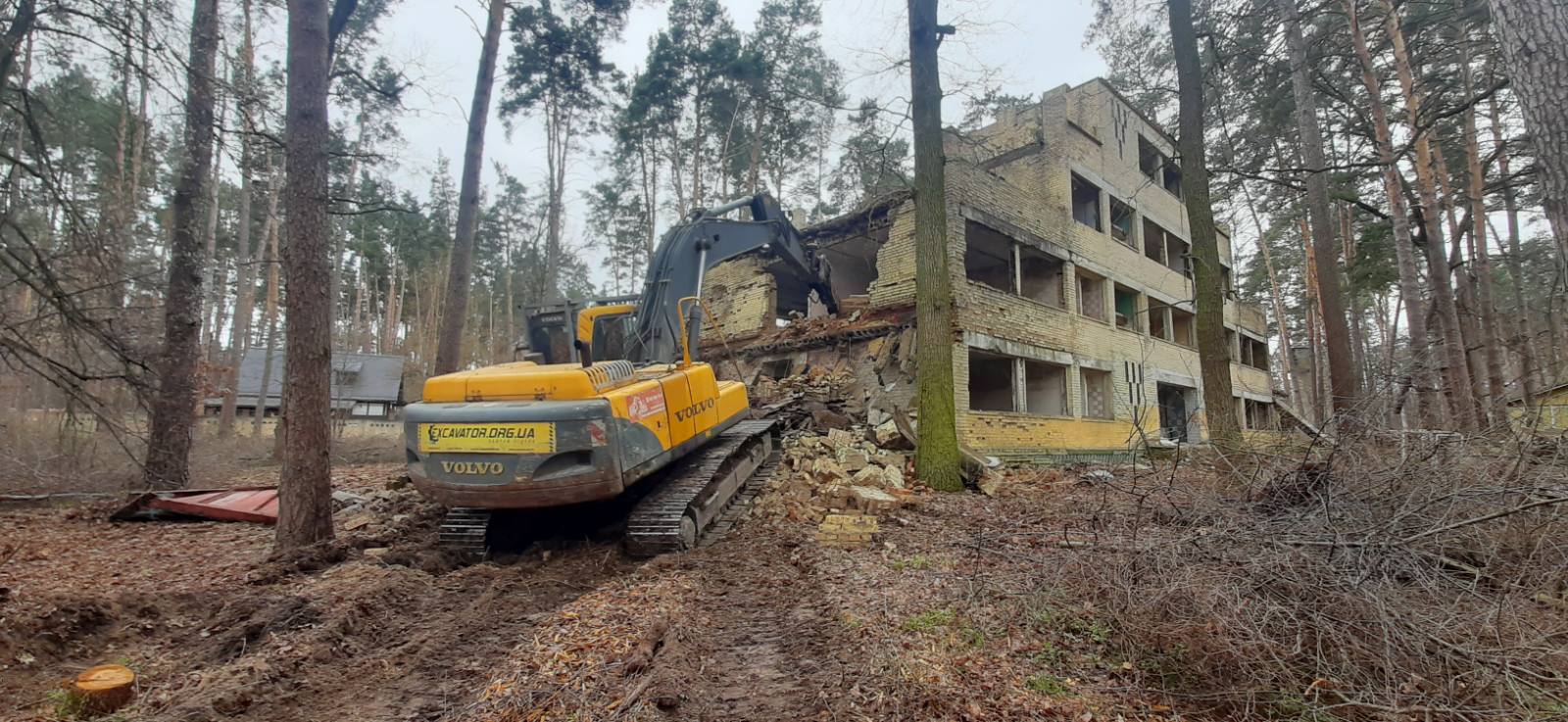
The Strategic Approach to Residential Demolition: Key Considerations and Best Practices May 21, 2026
Demolition of a residential property isn't just about knocking down walls. It involves a coordinated approach to ensure safety, compliance with local regulations, and minimizing the impact on the surrounding environment. Below, we outline key considerations and best practices for anyone considering a residential demolition project.
Understanding the Scope of Demolition
Before any action is taken, it’s crucial to understand the full scope of your demolition project. This involves detailed planning and a clear understanding of what needs to be demolished versus what should be preserved. Hiring an experienced demolition contractor like Regional Land Construction can provide crucial insights into this planning stage. We conduct thorough site assessments to ensure every aspect of the project is covered.
Navigating Legalities and Regulations
A successful demolition project hinges on compliance with local building codes and environmental laws. Permitting can be a cumbersome process if not handled correctly. Homeowners must acquire the necessary demolition permits, which often involve submitting detailed plans for approval. Partnering with Regional Land Construction means you have access to experts who handle these bureaucratic hurdles with ease, ensuring your project is compliant with all regulations.
Safety First: Evaluating On-Site Hazards
Safety is paramount in residential demolition. It's essential to identify and mitigate any potential hazards before the demolition begins. This includes disconnecting utilities such as electricity, gas, and water lines. Asbestos, mold, or lead-based paint might also be present in older structures, requiring special handling and disposal methods. Our team at Regional Land Construction is trained in identifying and safely managing these hazardous materials.
Eco-Friendly Demolition
Sustainable practices are increasingly important in modern construction and demolition projects. Demolition may involve the recycling or repurposing of materials, reducing waste sent to landfills. From reclaiming bricks to recycling metal and wood, Regional Land Construction adopts an environmentally conscious approach, aligning with growing sustainability trends in the construction industry.
Implementing Effective Demolition Methods
The choice of demolition method can significantly impact the project's outcome. Selective demolition is often preferred, particularly in urban areas where noise and dust need to be minimized. This method involves removing certain parts of a structure while protecting others, an ideal approach when partial demolitions are required. Alternatively, mechanical demolition offers speed and efficiency but requires precise execution and machinery control.
Concluding Your Demolition Project
The final step in your demolition project should focus on site clearance and preparation for future construction. Once the debris is removed, the site must be leveled and inspected to ensure all hazards are eliminated. Planning for the next phase of construction begins almost immediately after demolition concludes.
Through Regional Land Construction’s strategic approach to residential demolition, clients can expect a comprehensive service that addresses all aspects of the demolition process. From initial consultations to post-demolition site evaluations, our expertise ensures a smooth transition from the old to new.
In summary, preparing for a residential demolition involves careful planning, understanding legal requirements, prioritizing safety, and considering environmental impacts. By adhering to these key considerations and best practices, you set the stage for successful and efficient site redevelopment. Choose Regional Land Construction for your demolition needs, where expertise and client satisfaction are always at the forefront.
/filters:no_upscale()/filters:format(webp)/media/b31d9f54-c3cf-4684-8e58-390b73d770a4.jpeg)
/filters:no_upscale()/filters:format(webp)/media/ef7e2c8a-7a46-466c-bac3-405b3ed5639c.jpeg)